Reality, restructured.
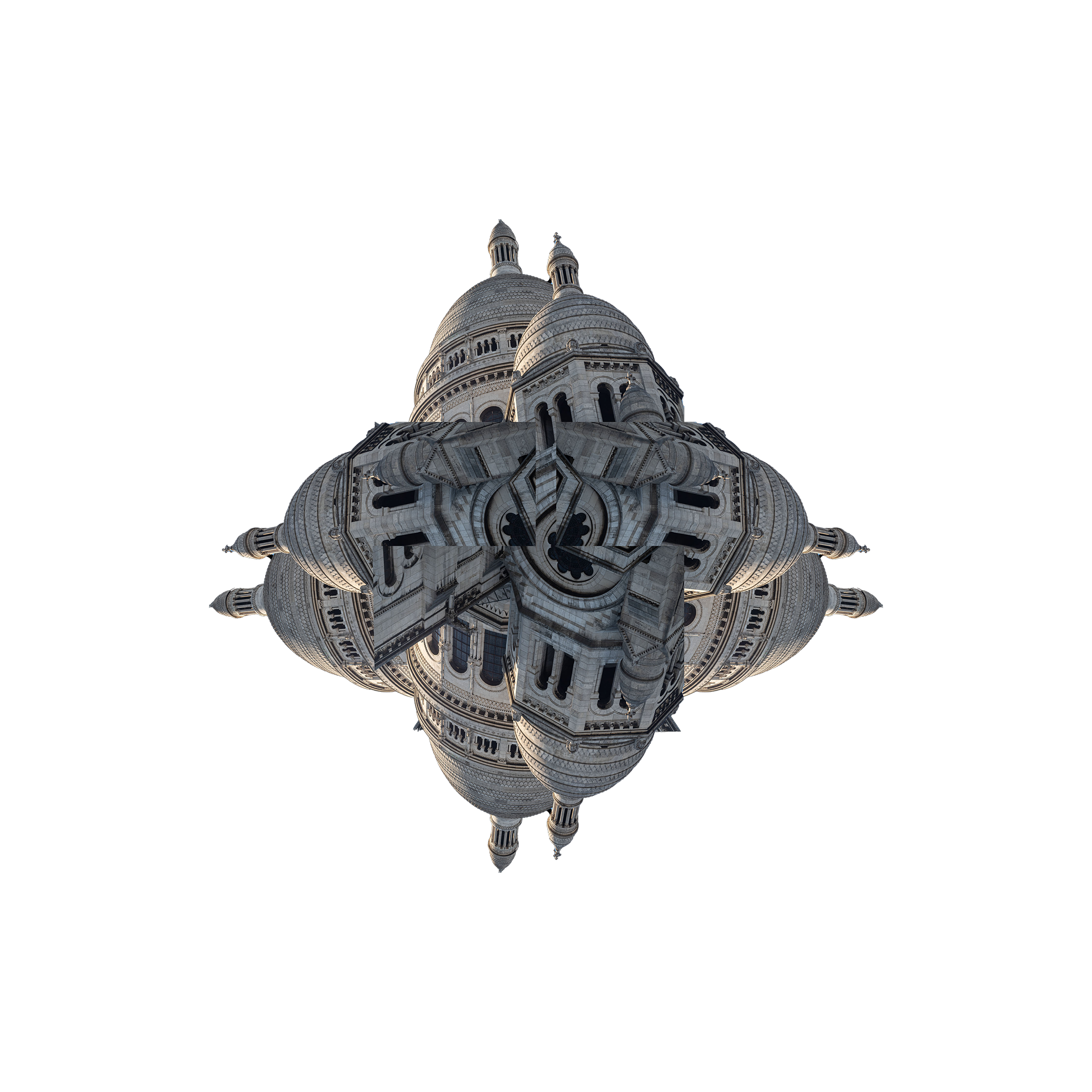
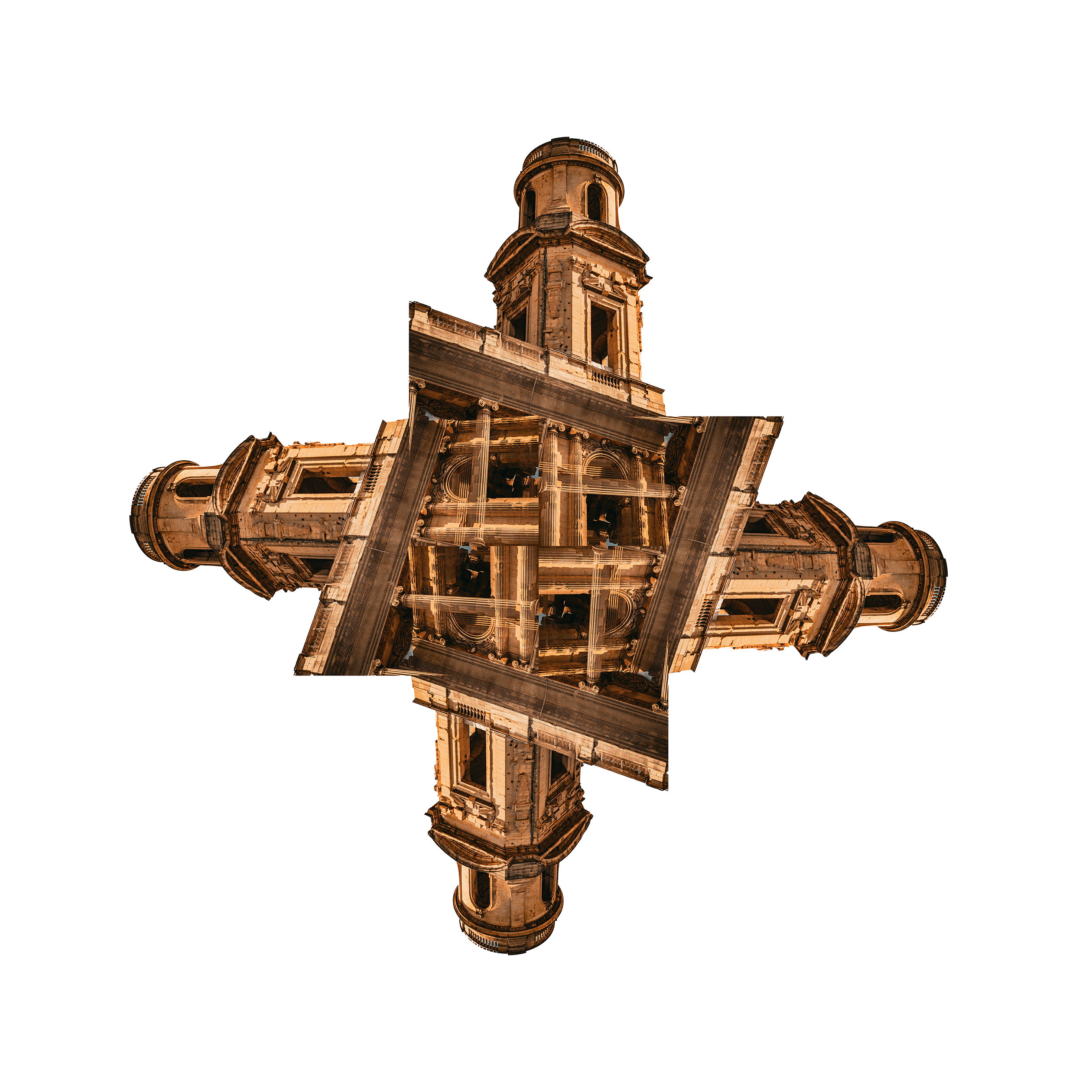
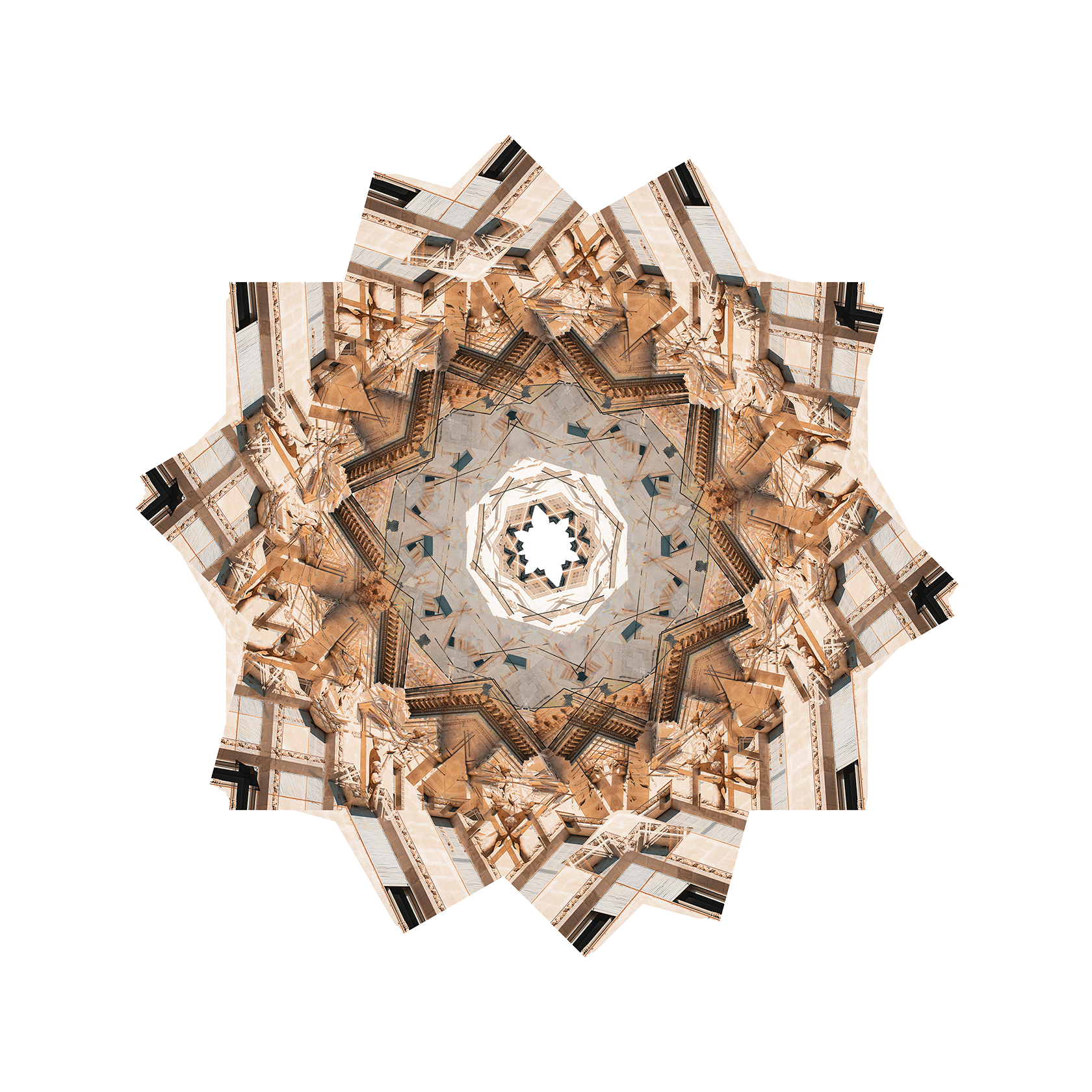
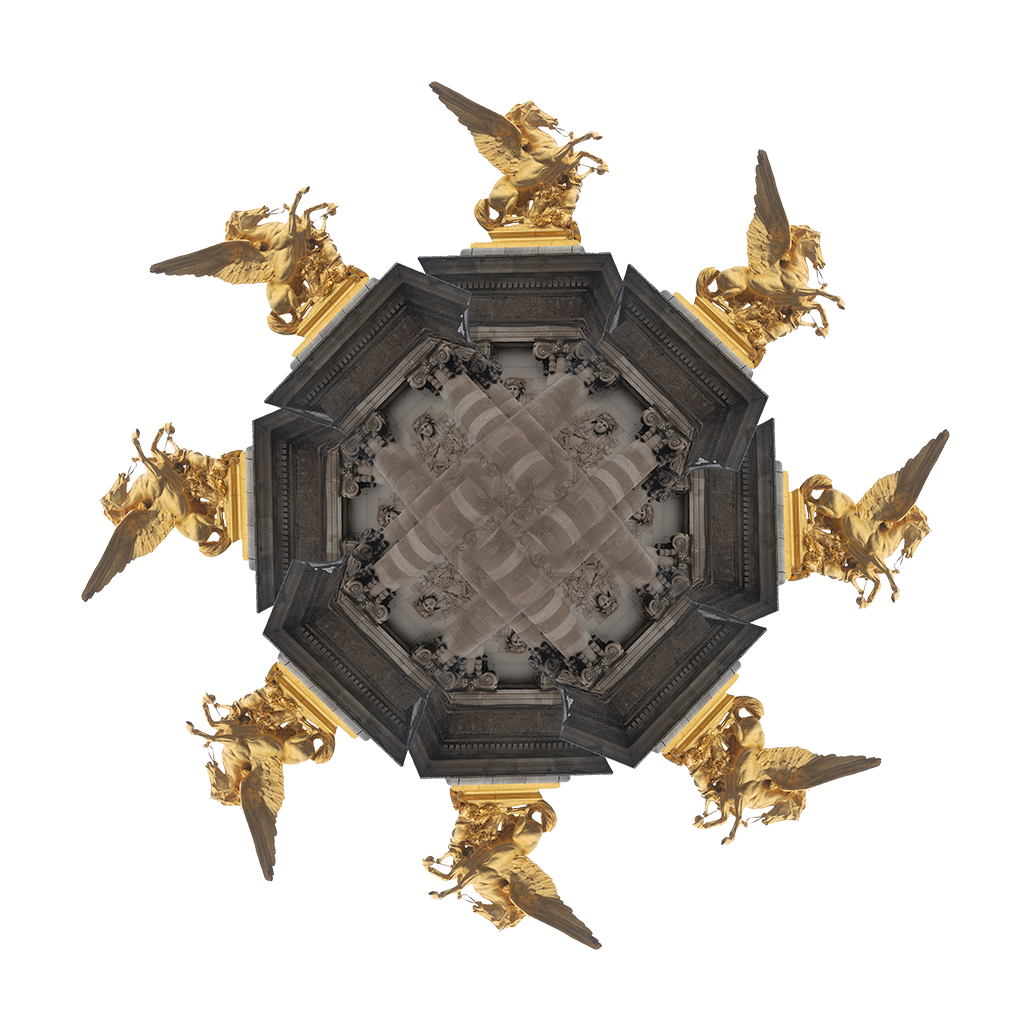
My project begins with familiar, widely recognised architecture, and then removes certainty through repetition, mirroring, fragmentation and distortion. My aim is not to hide the buildings completely, but to hold them at the edge of recognition so the viewer has to look twice.
Defamiliarising the iconic.
I began my investigation in Paris because its architecture is instantly recognisable. I cropped, rotated and repeated elements of famous landmarks turning the city into a radial balance of ordered chaos and surreal pattern.
.png)
.png)
Architecture as building blocks.
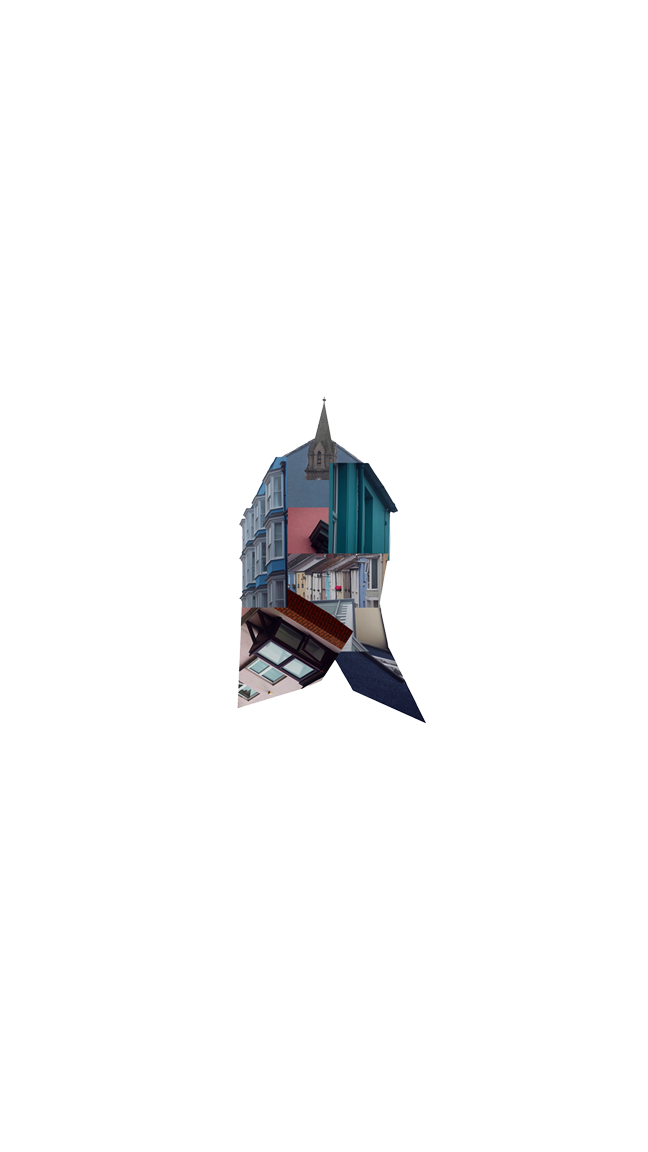
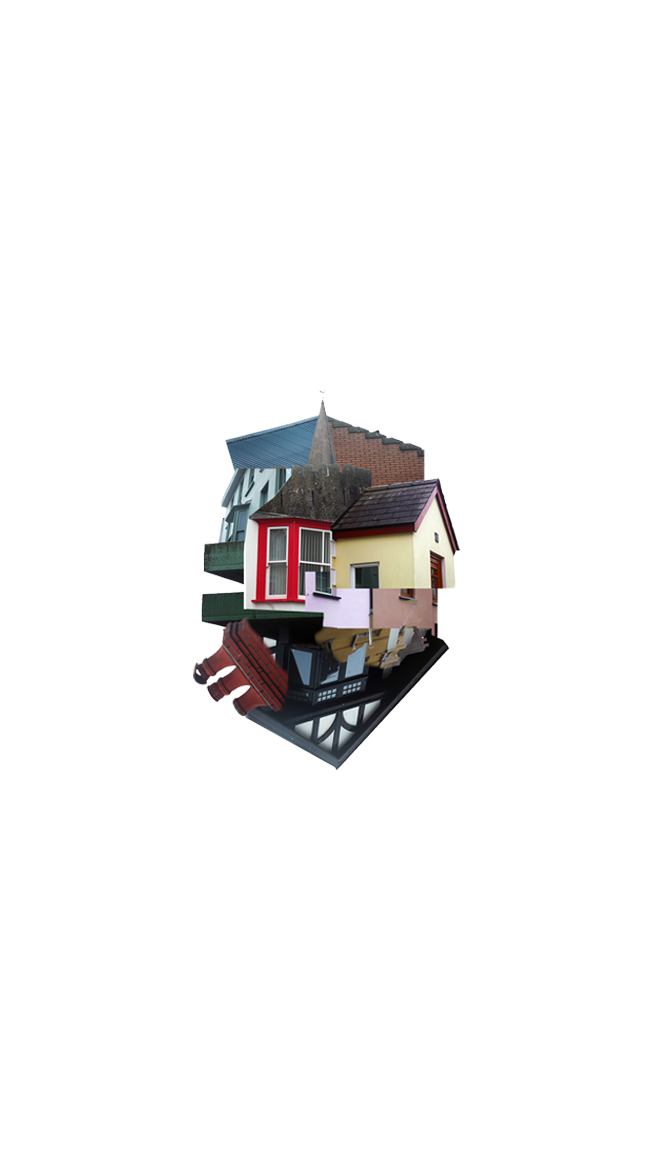
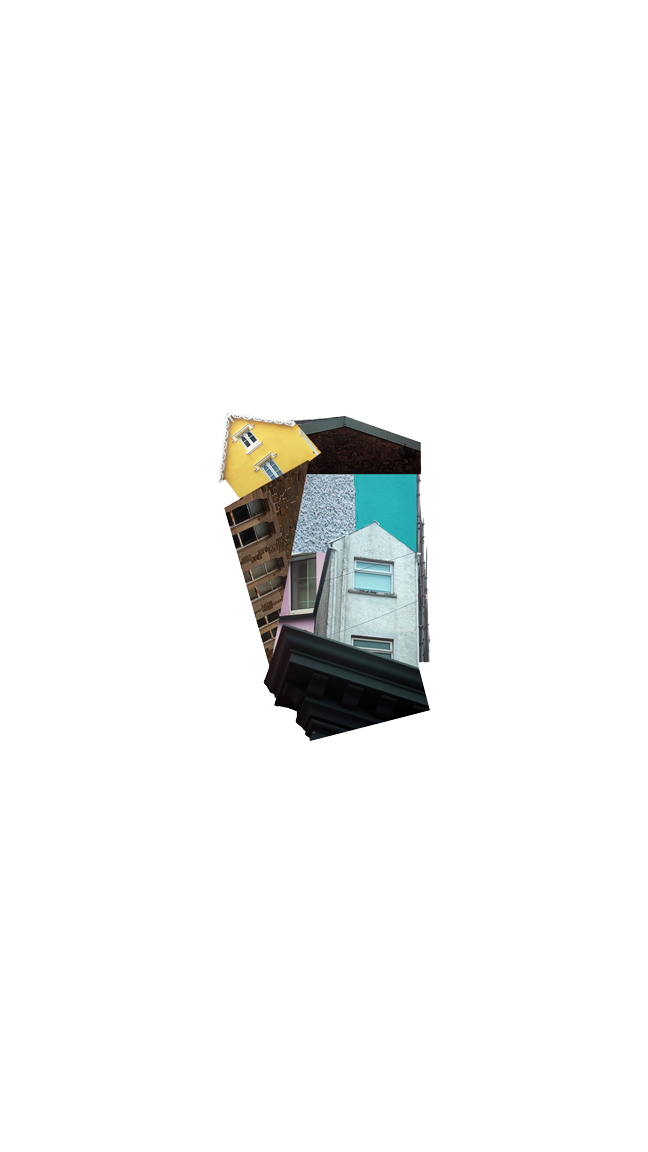
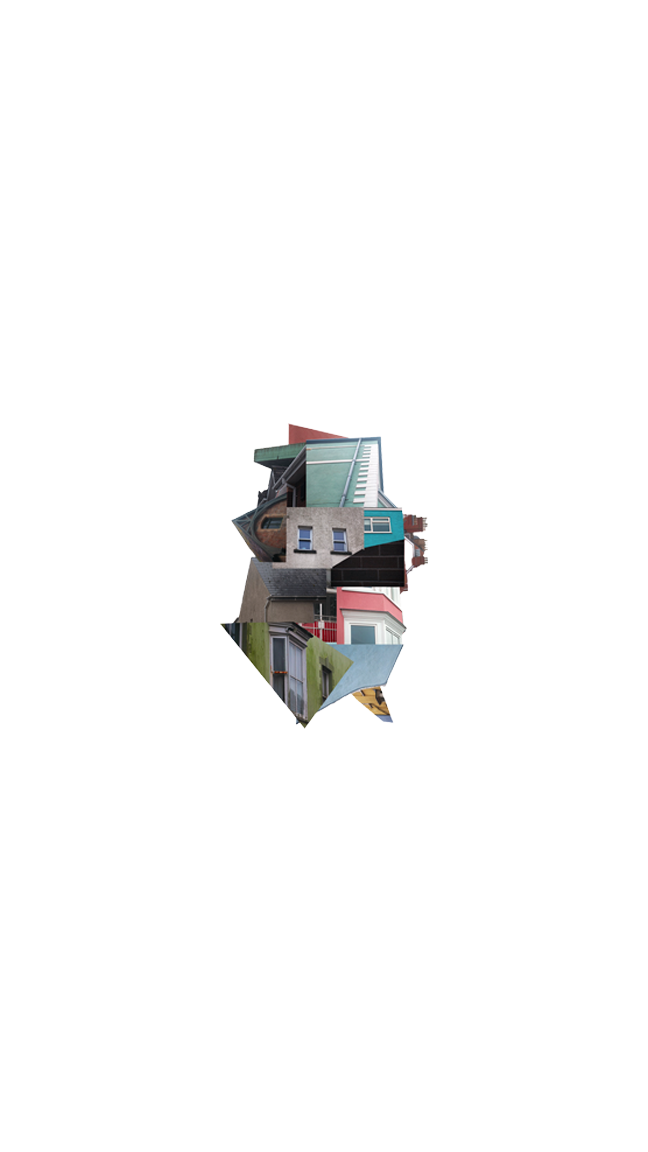
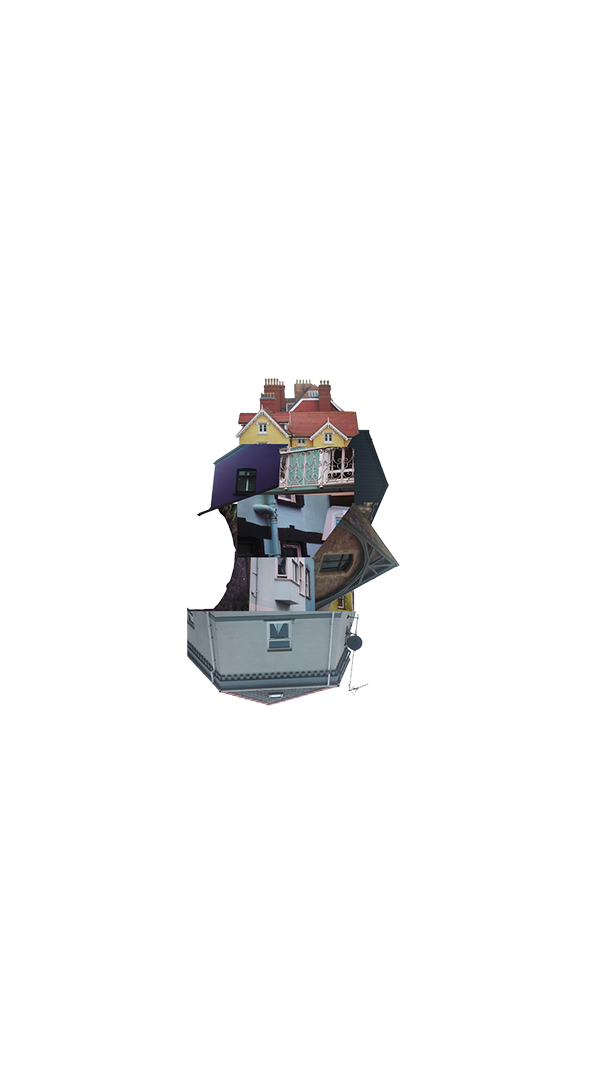
I went on to shift the project to explore everyday British seaside architecture. I chose Tenby for its pastel facades, windows, rooflines and textures which could be cut apart and reassembled into a Mary Lum-inspired constructed place which is colourful, familiar and slightly impossible.
Impossible urban geometry.
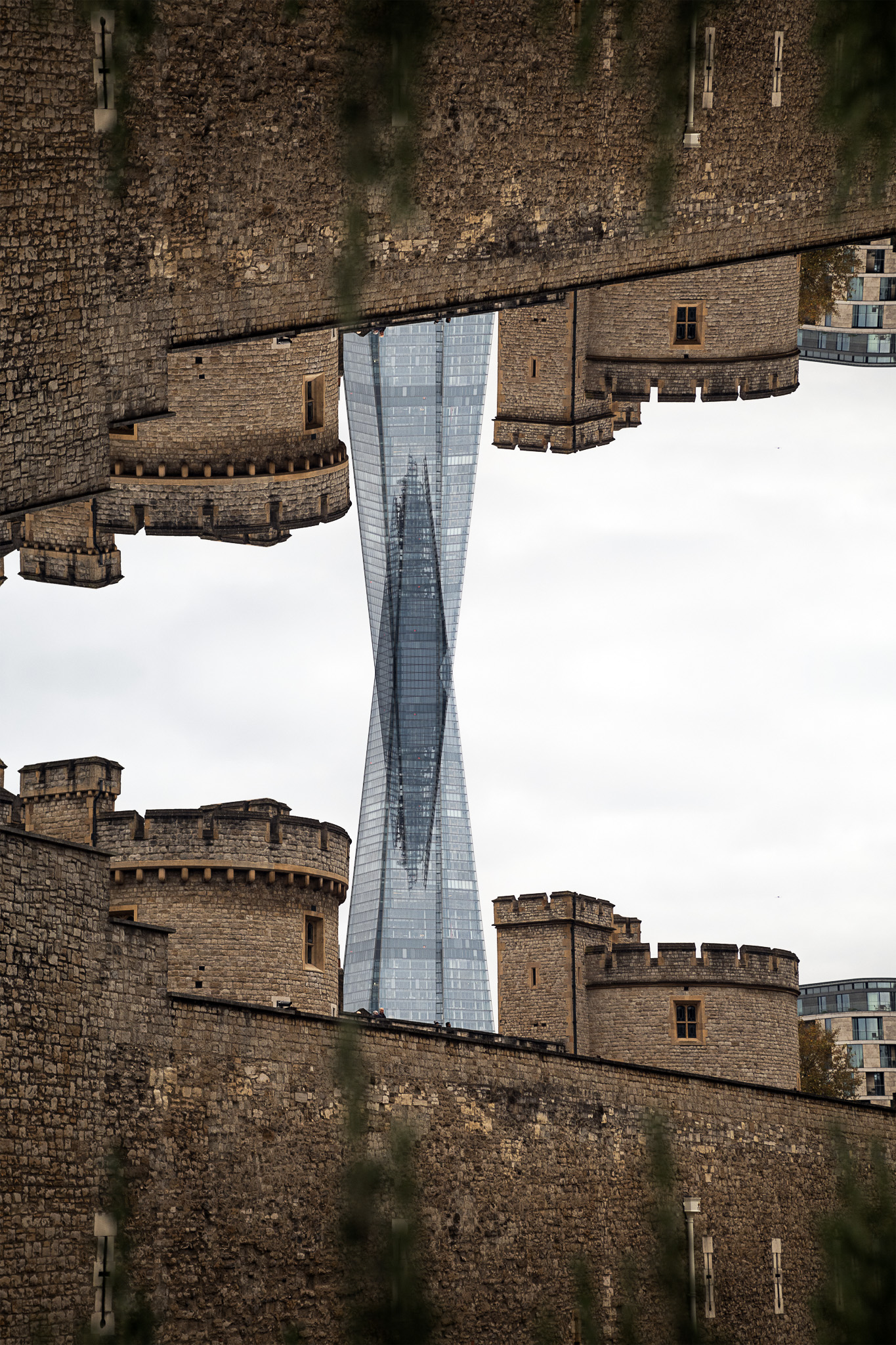
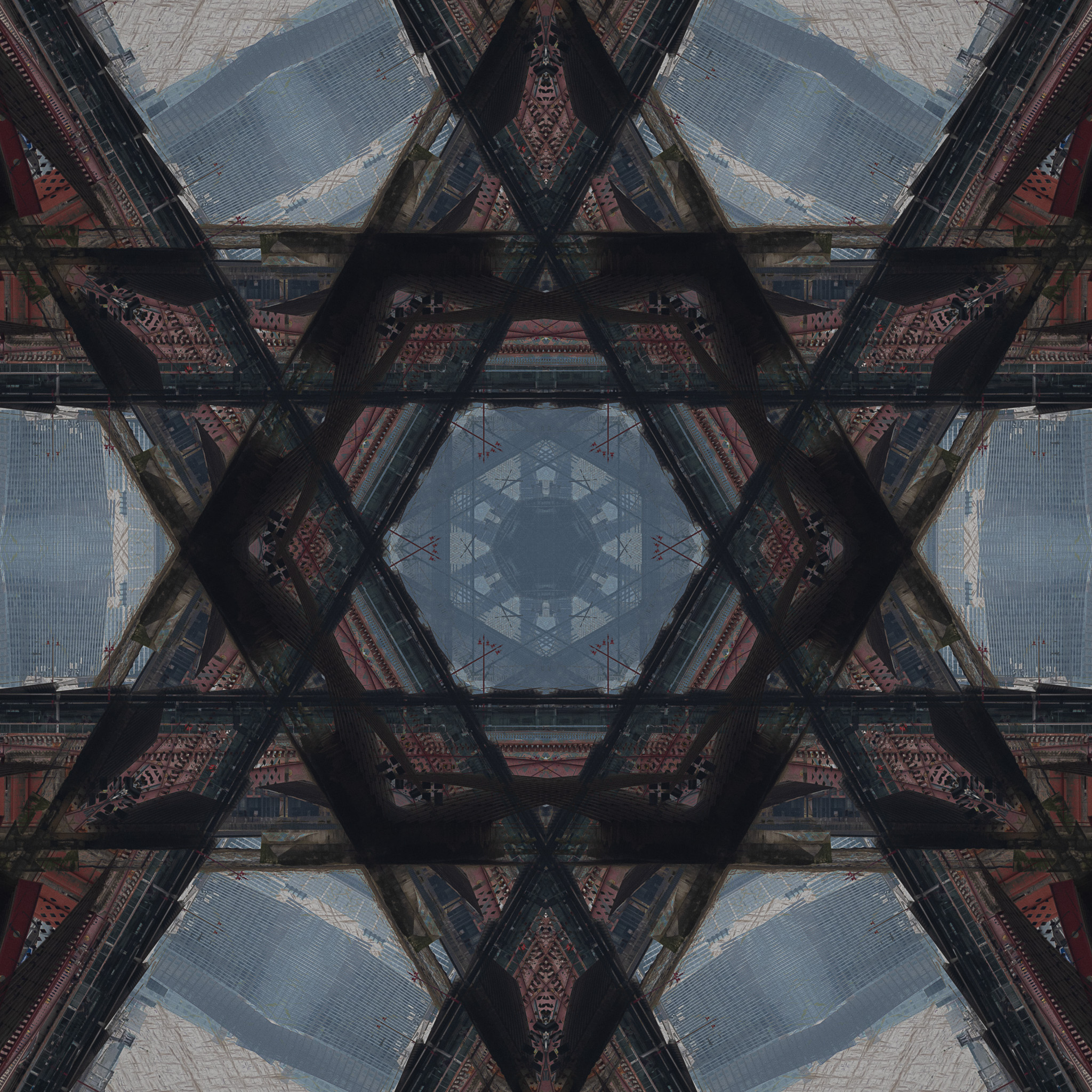
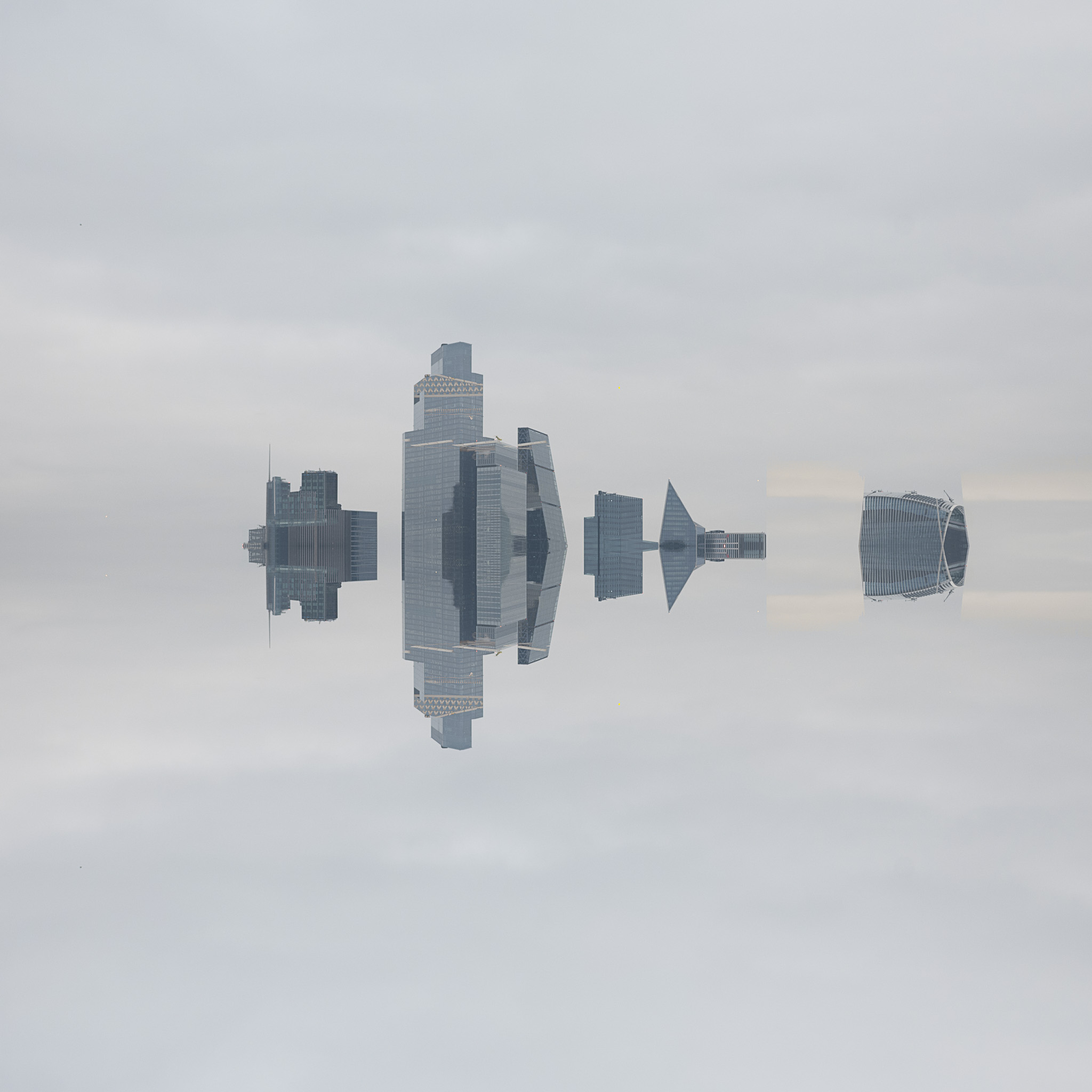
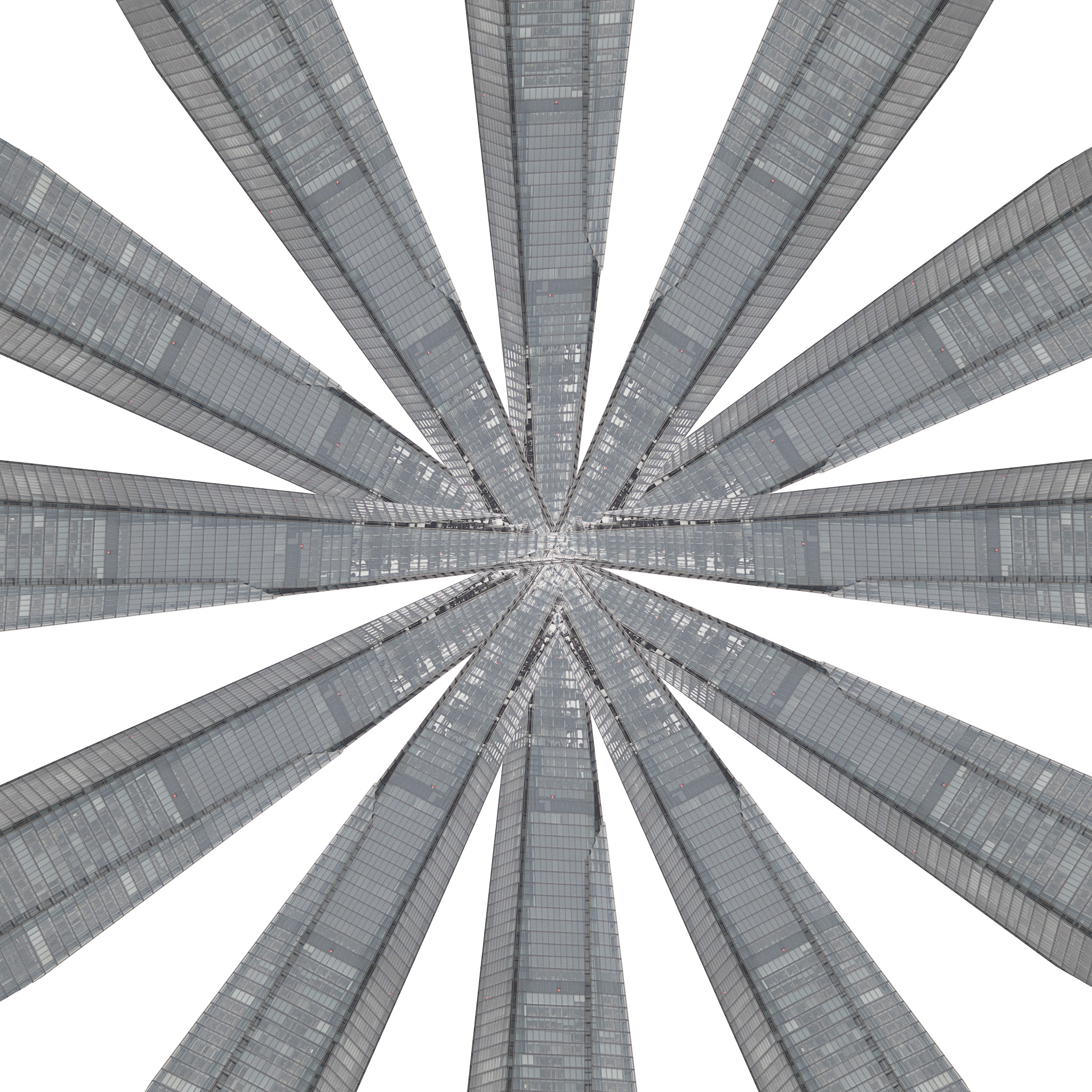
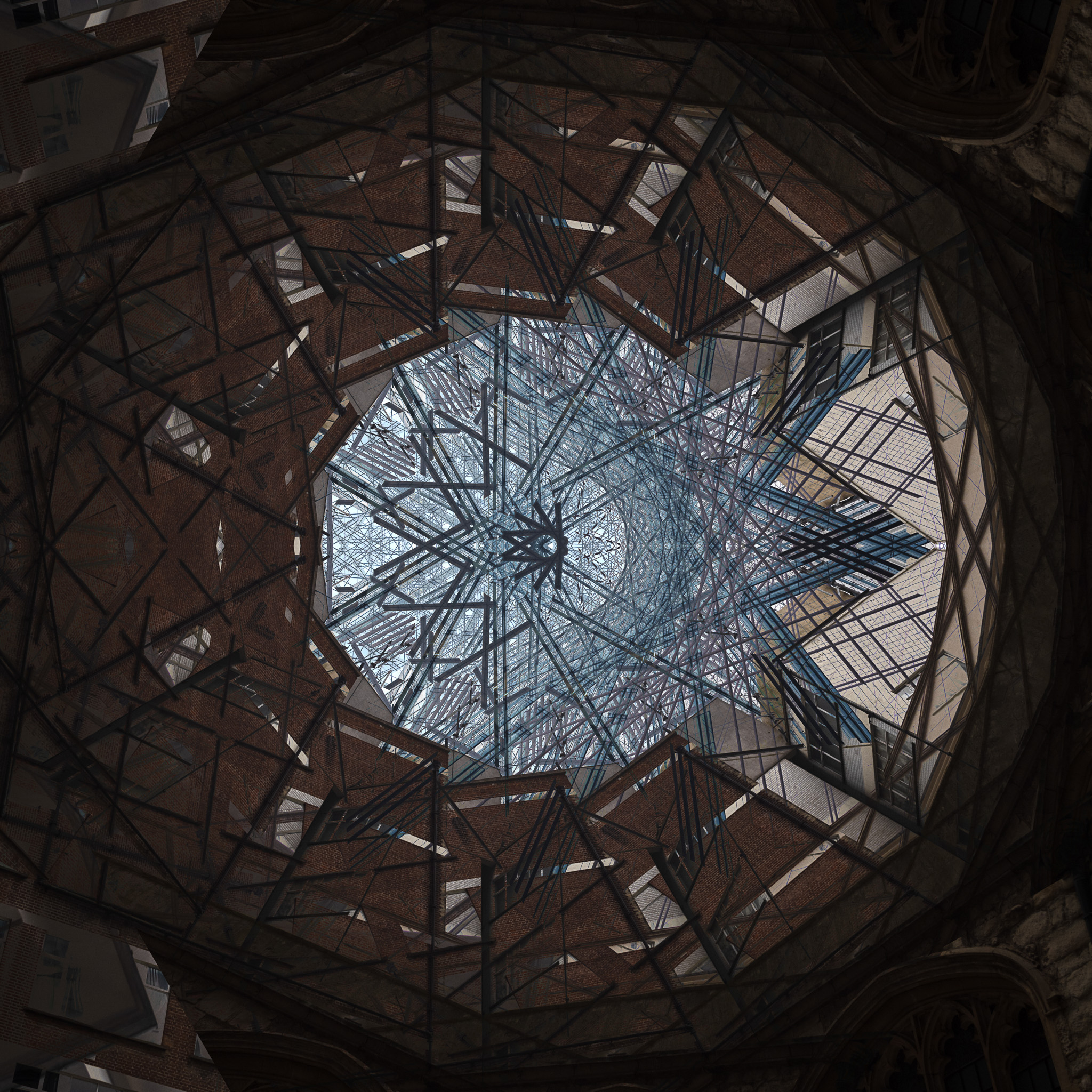
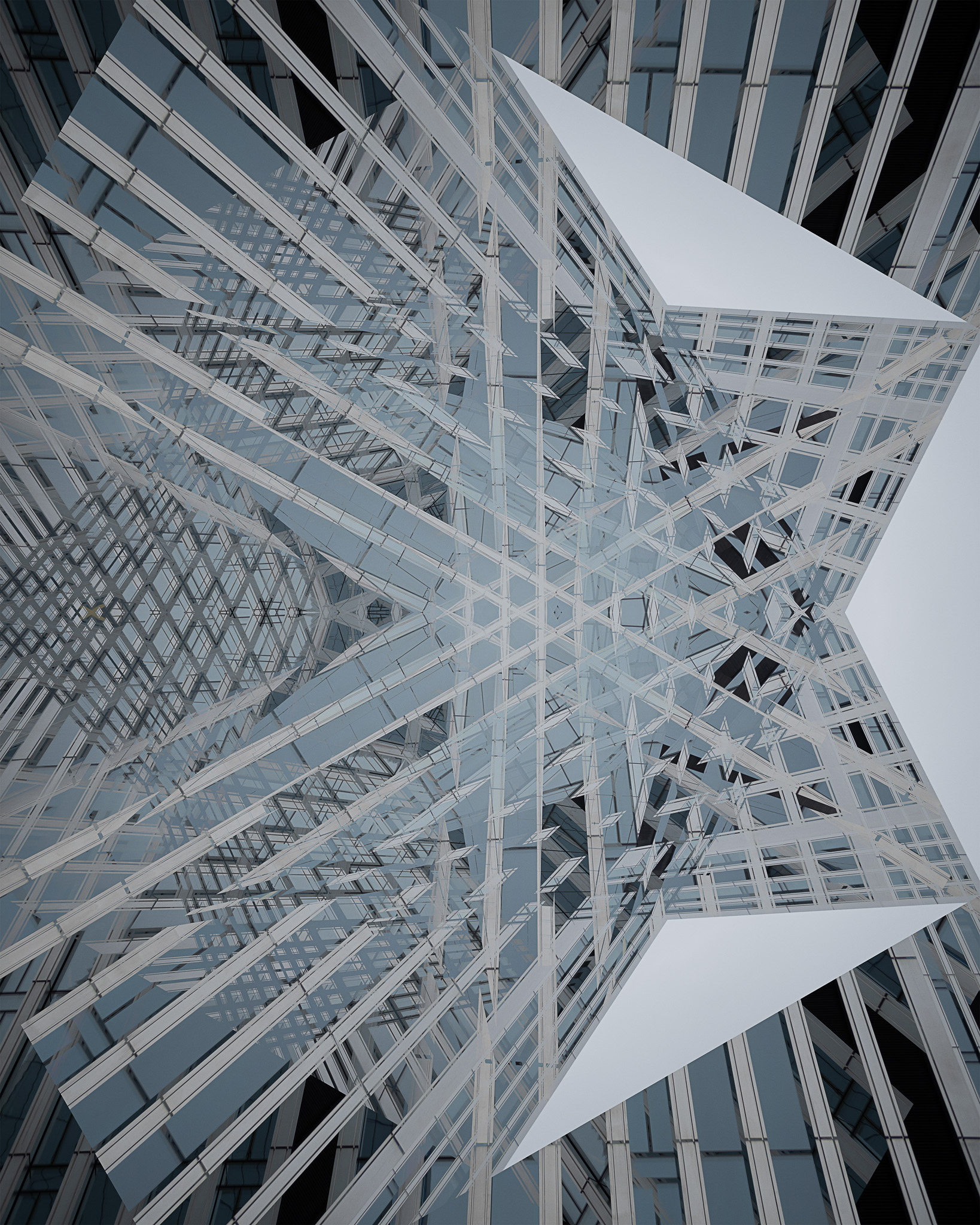
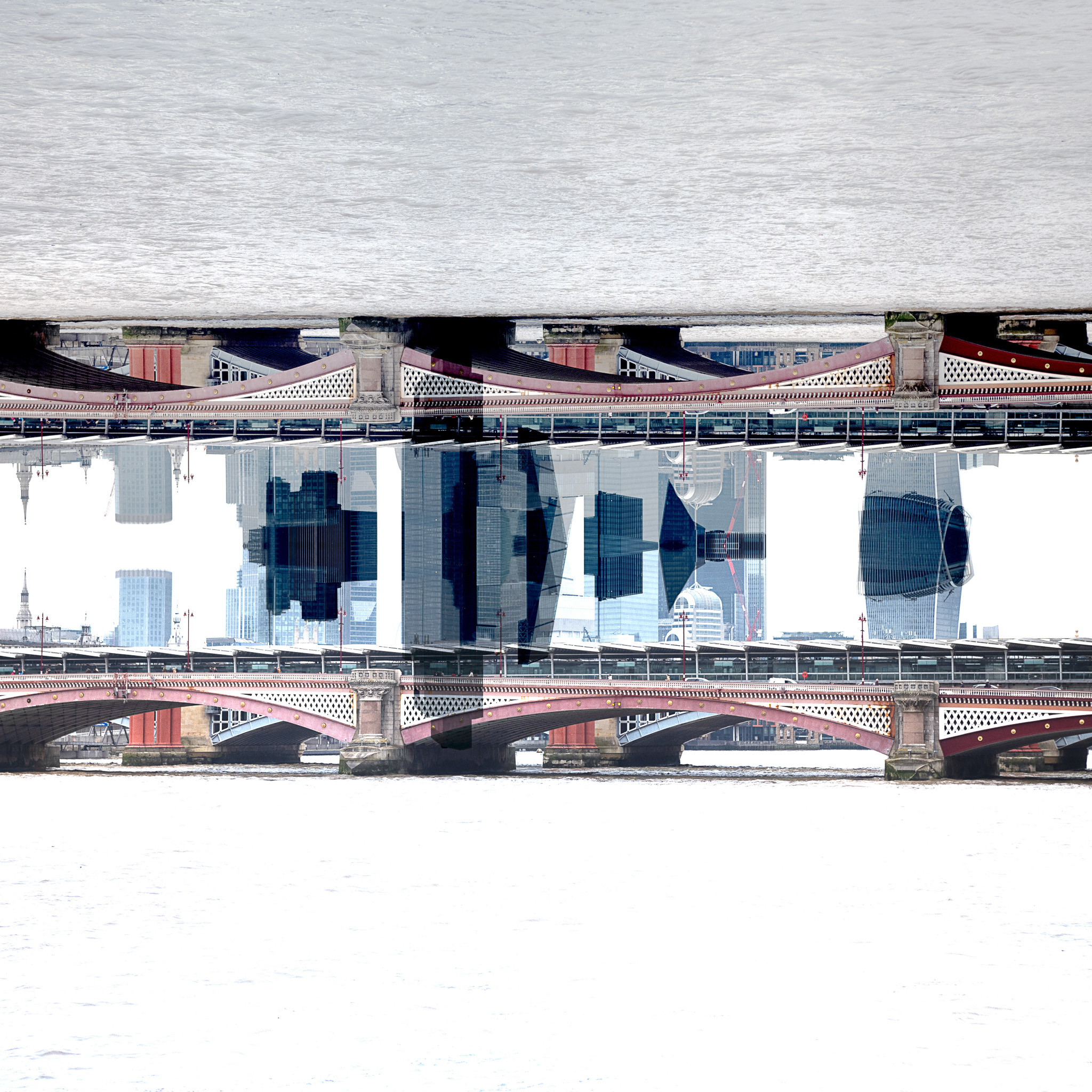
Manipulating London pushed the project into darker, sharper forms. I ustilised its glass facades, bridges and skyscrapers and mirrored them into hypnotic structures that confuse scale and direction while keeping traces of the real city inside the abstraction.
Compression instead of manipulation.
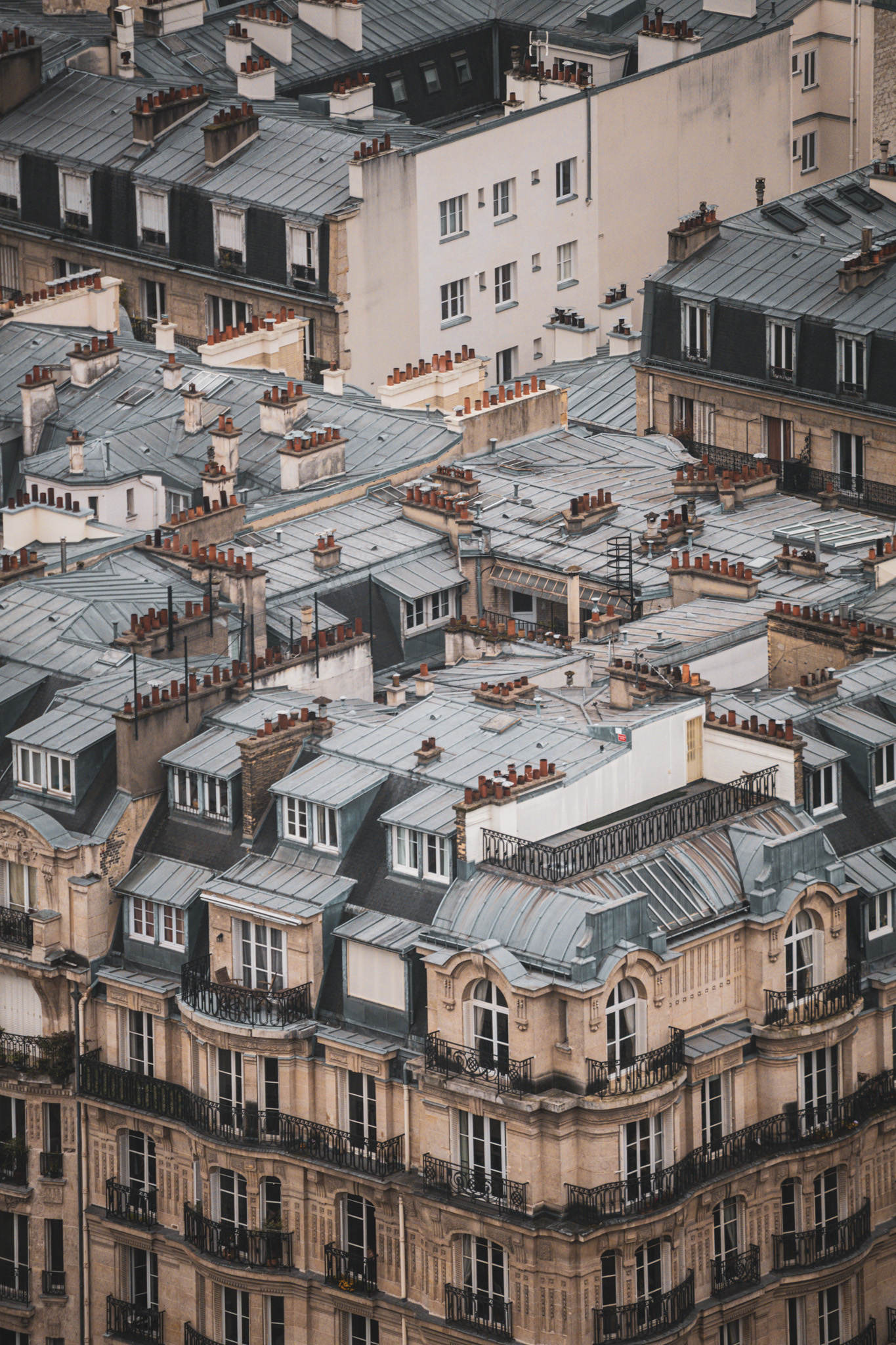
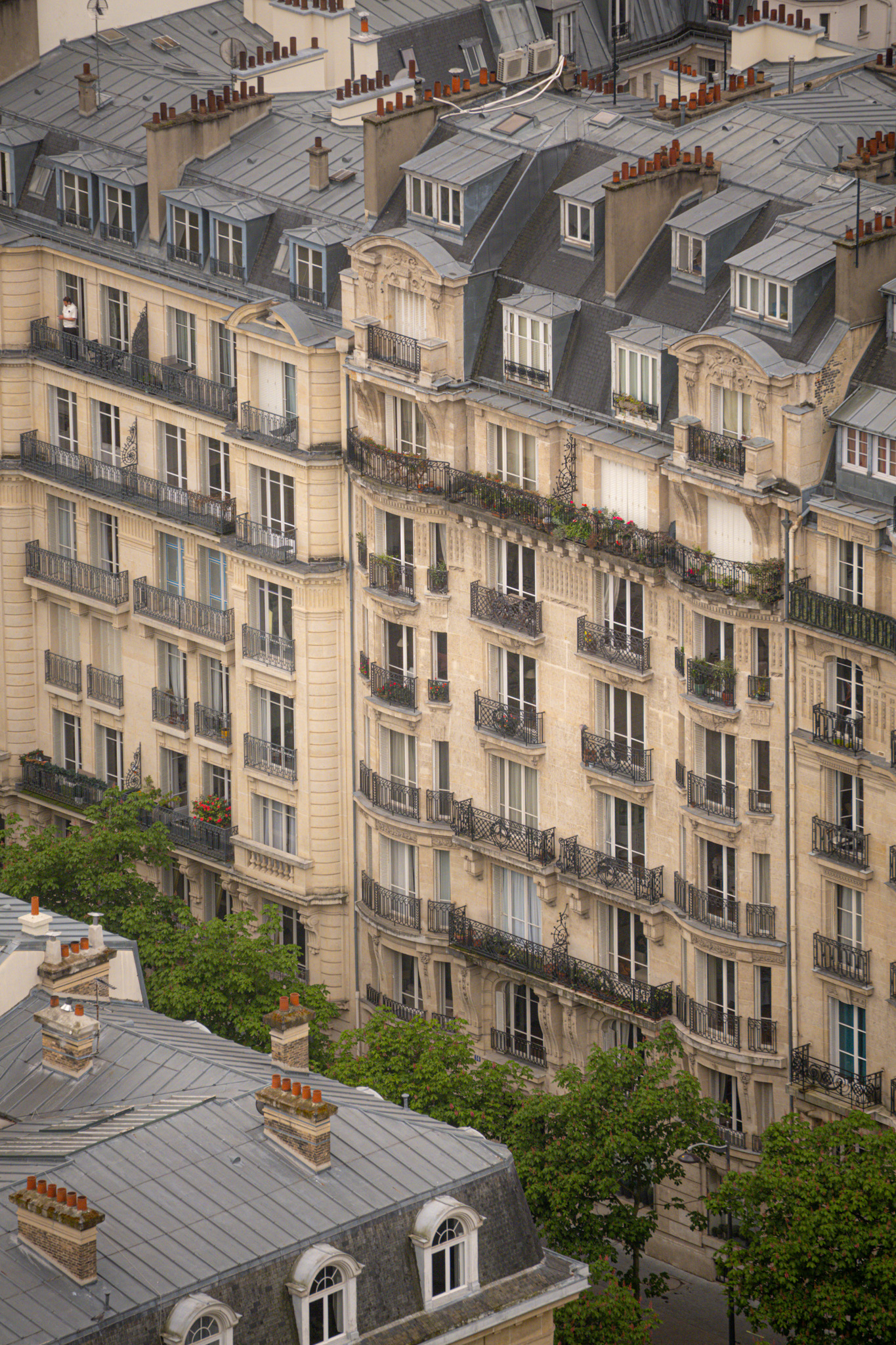
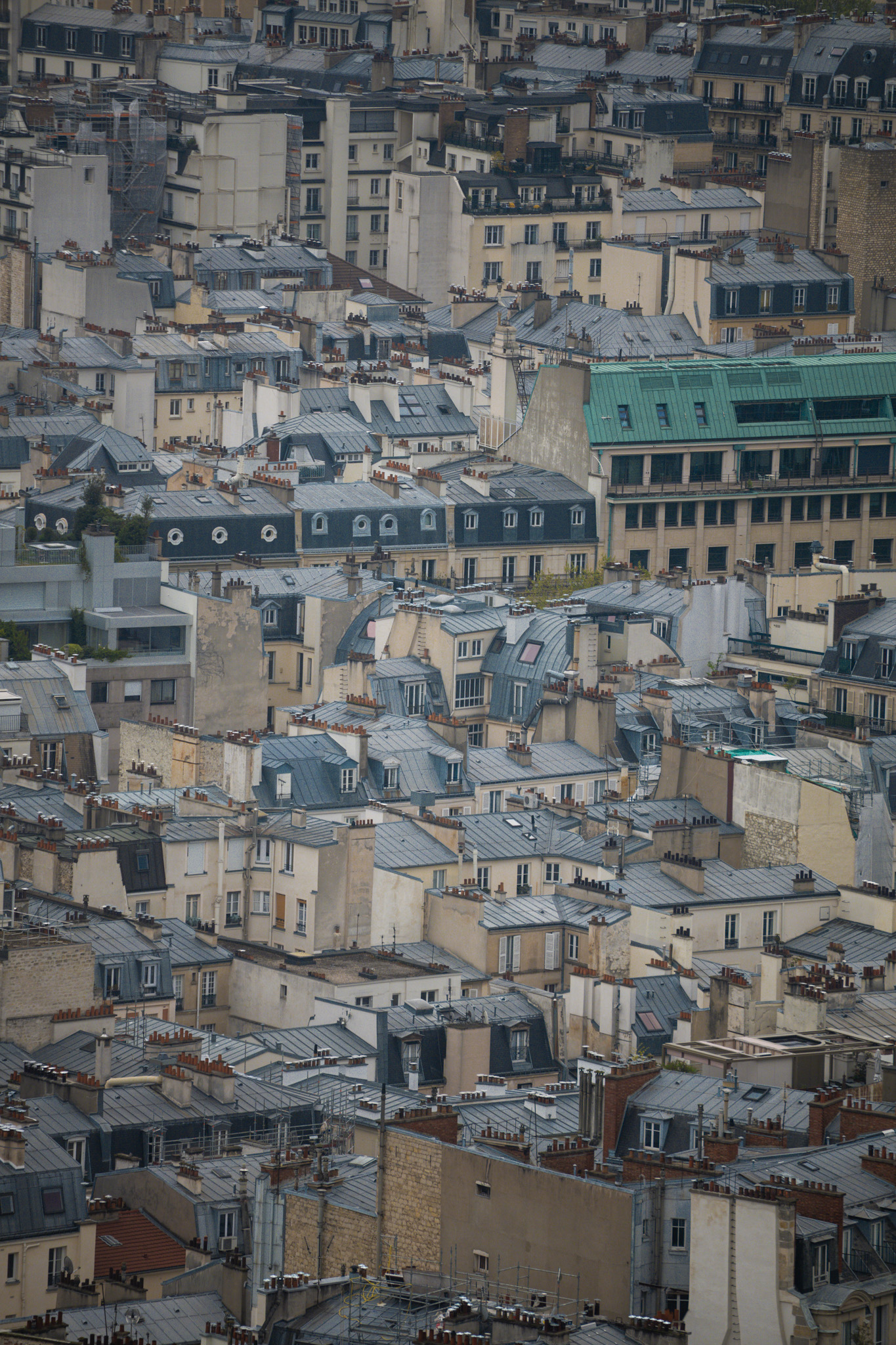
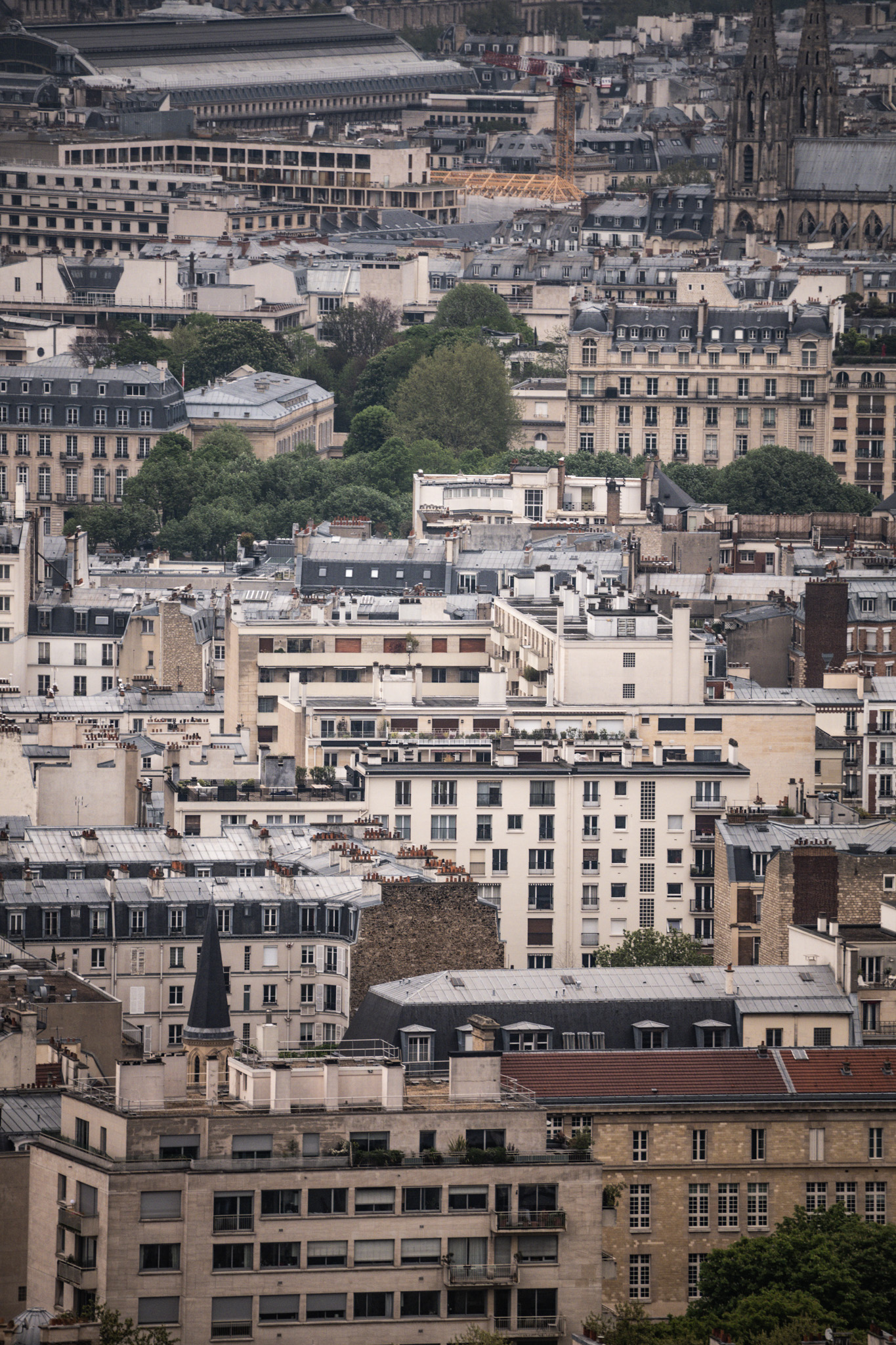
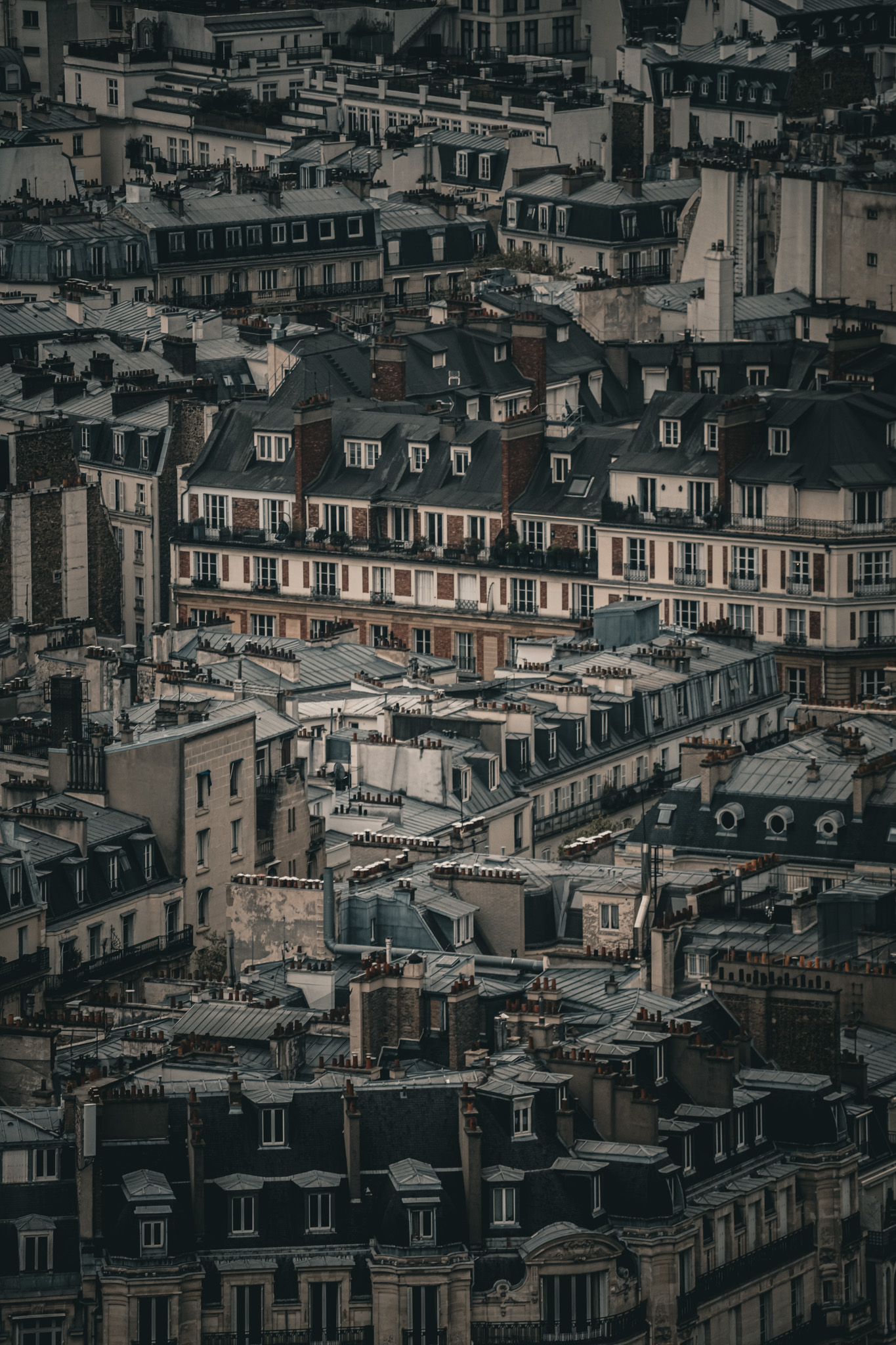
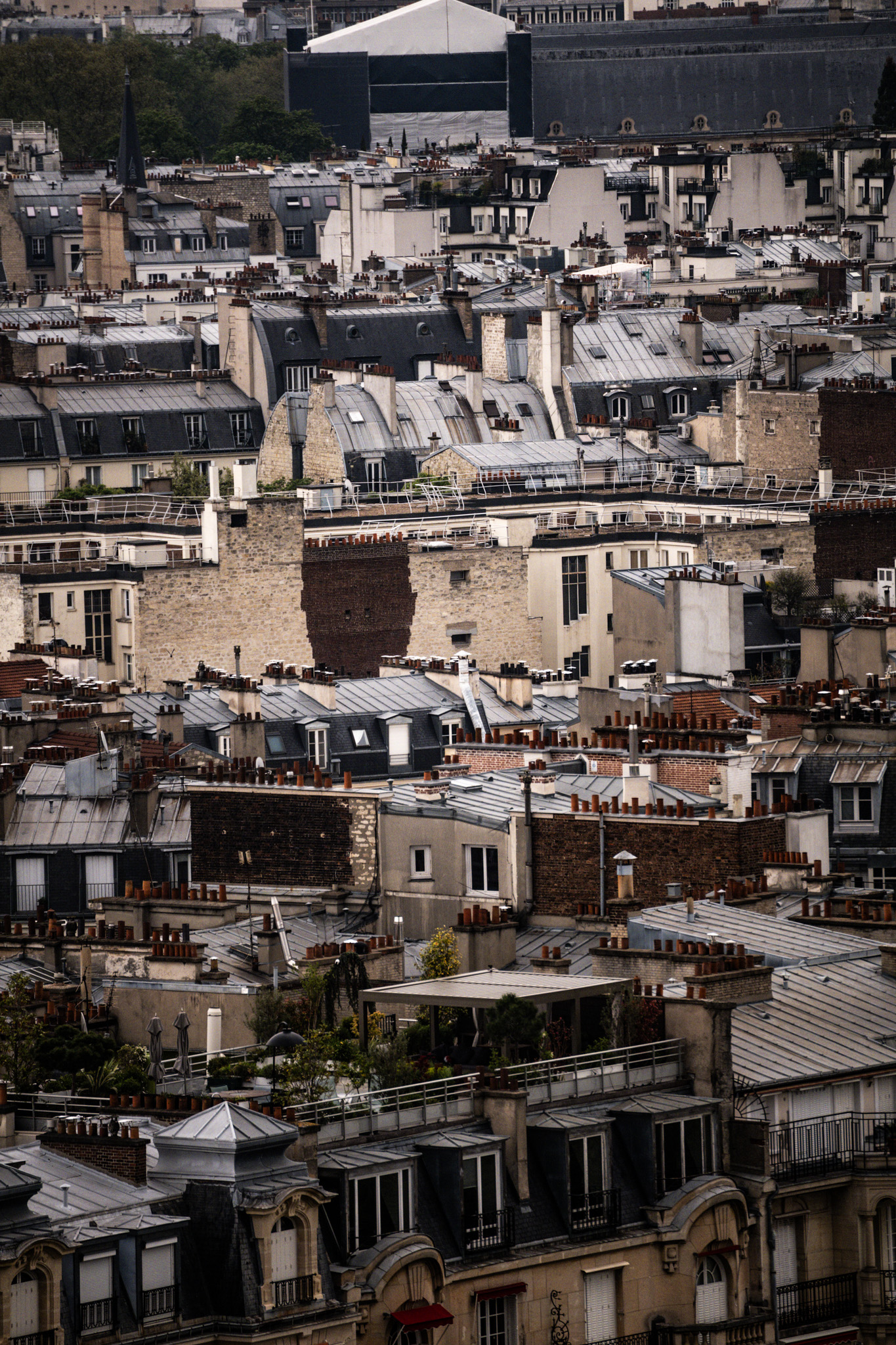
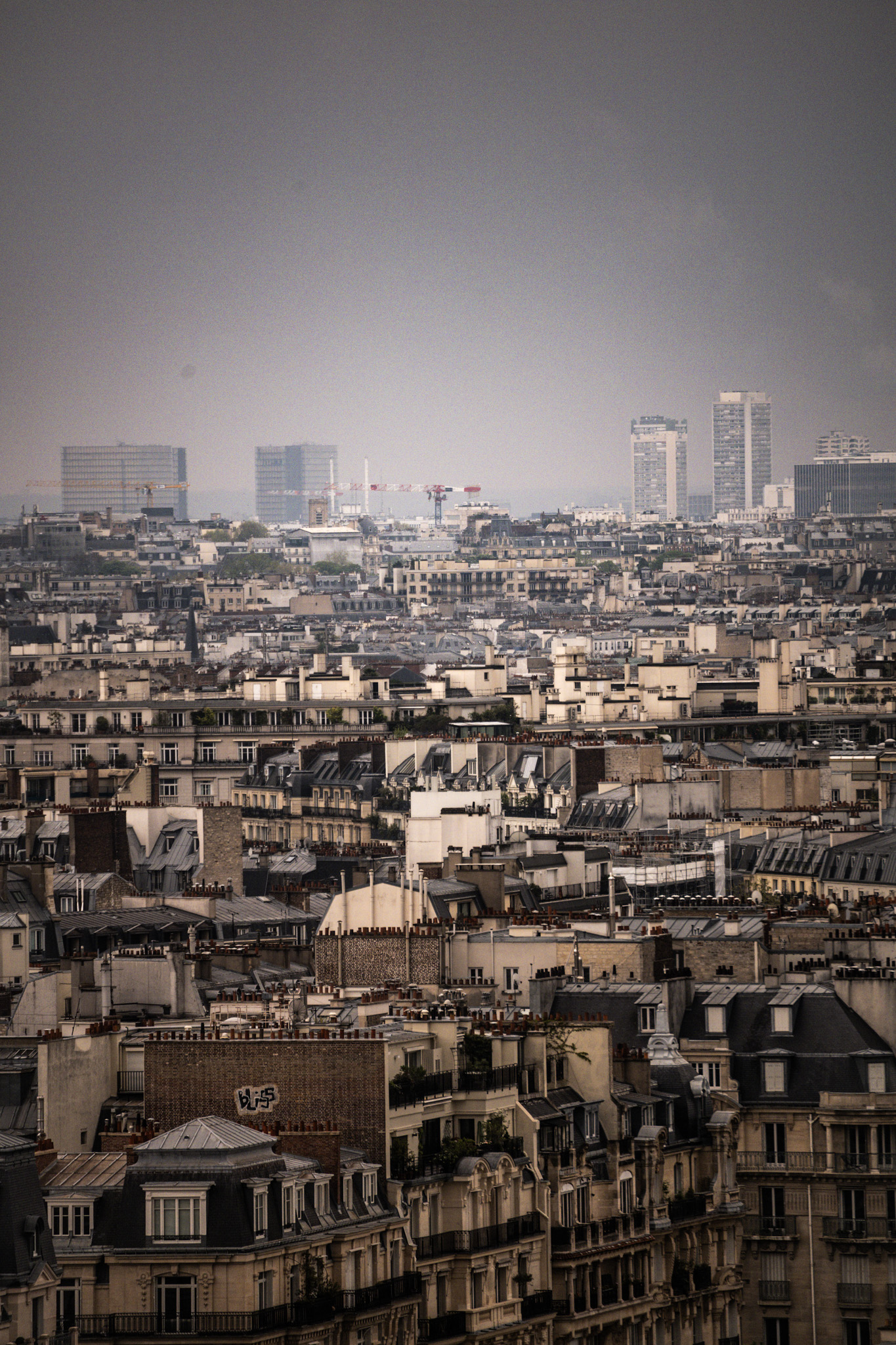
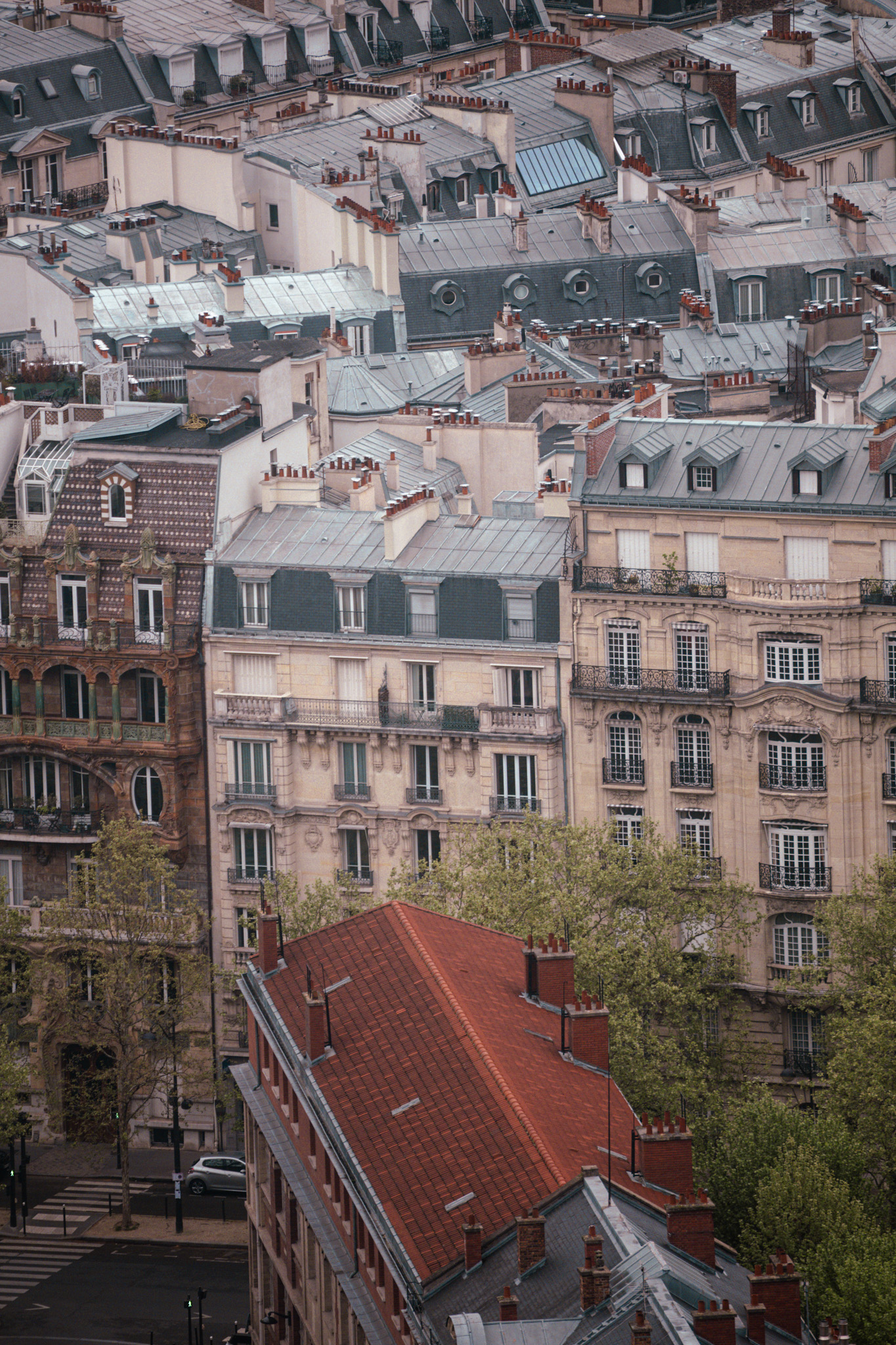
My final photoshoot in my exploration phase returns to Paris, but with a new method. I utilised telephoto compression from an elevated viewpoint and a long focal length, which results in rooftops and facades flattening into dense, mosaic-like layers. My aim here was for the camera itself to create the abstraction.
Reconstructed city fragments.
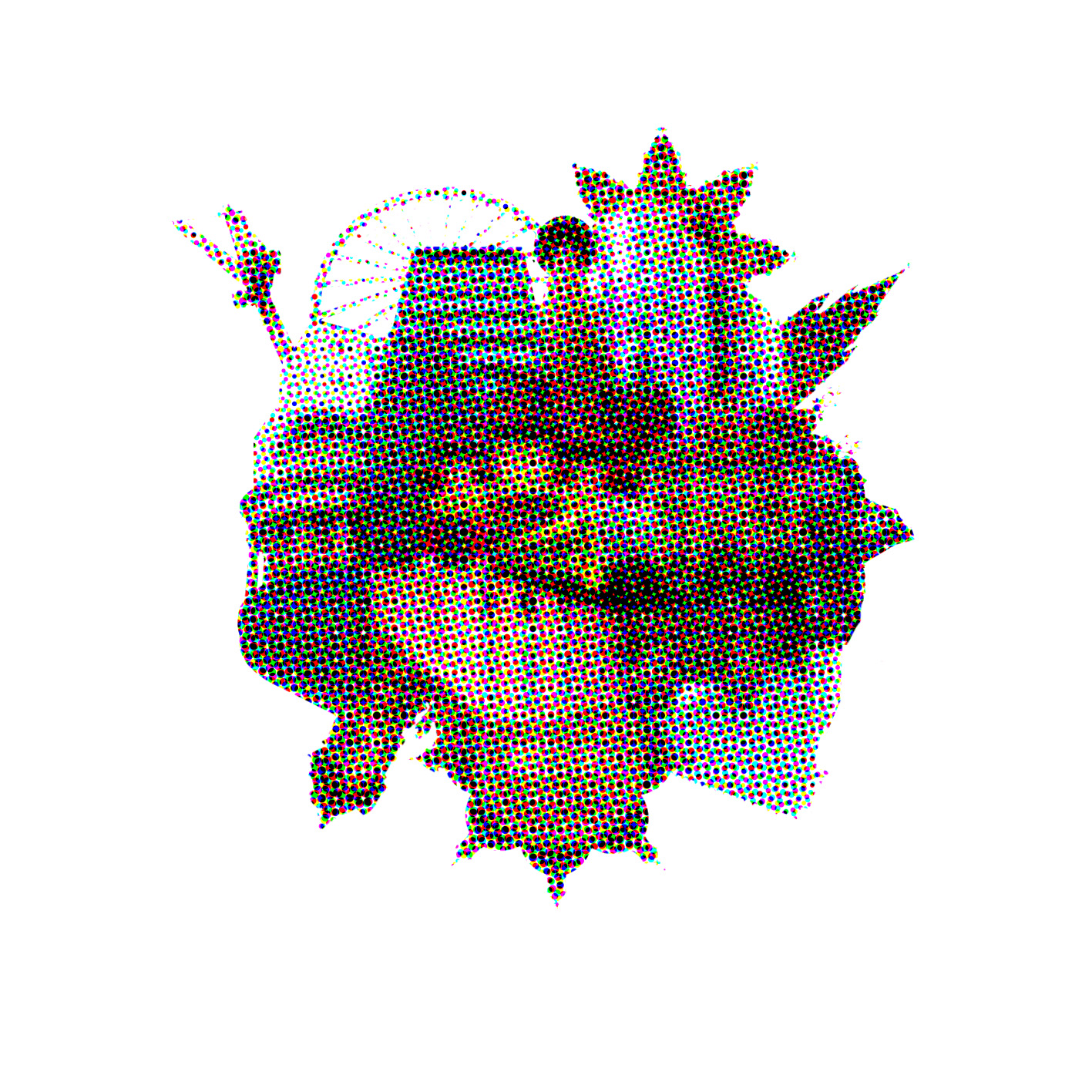
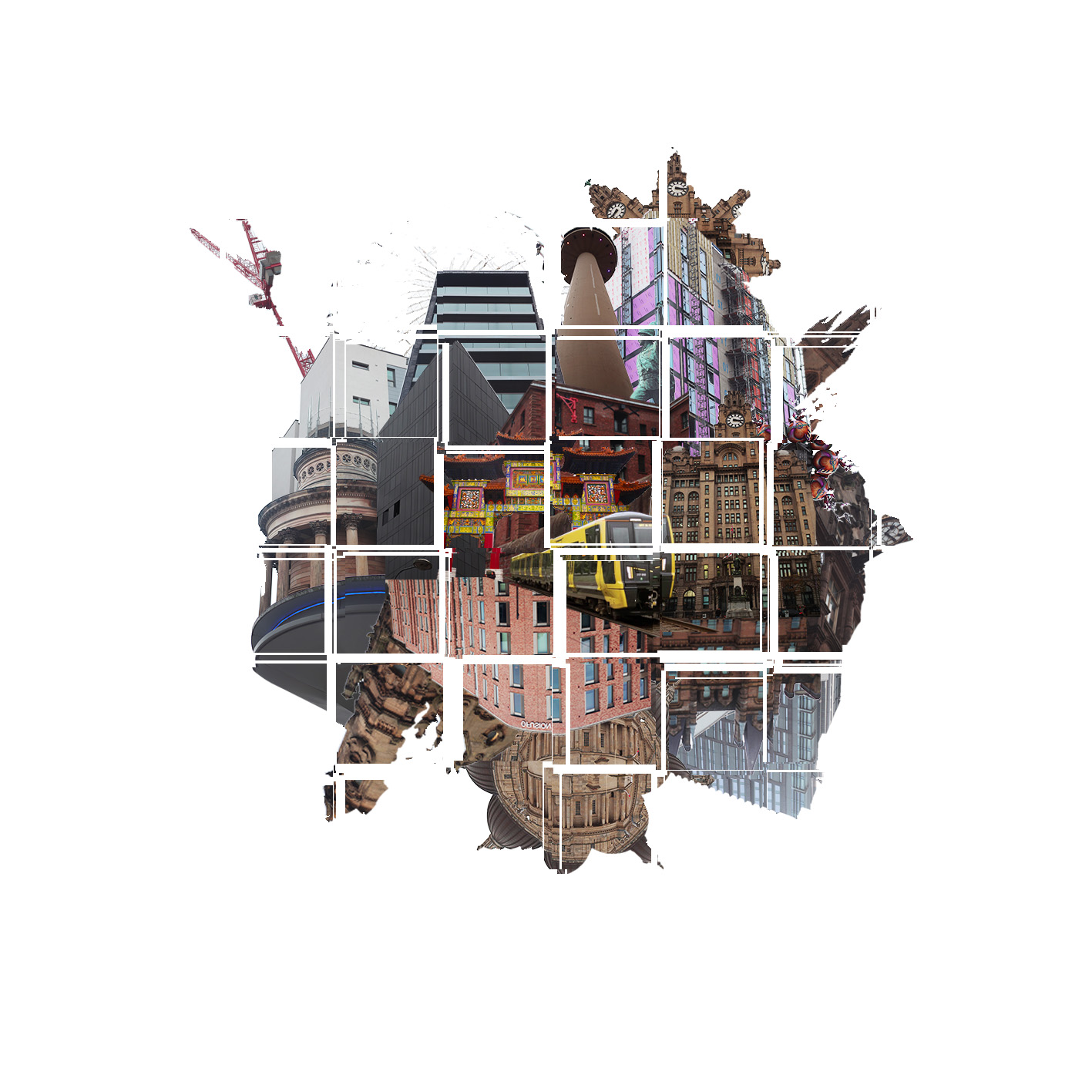
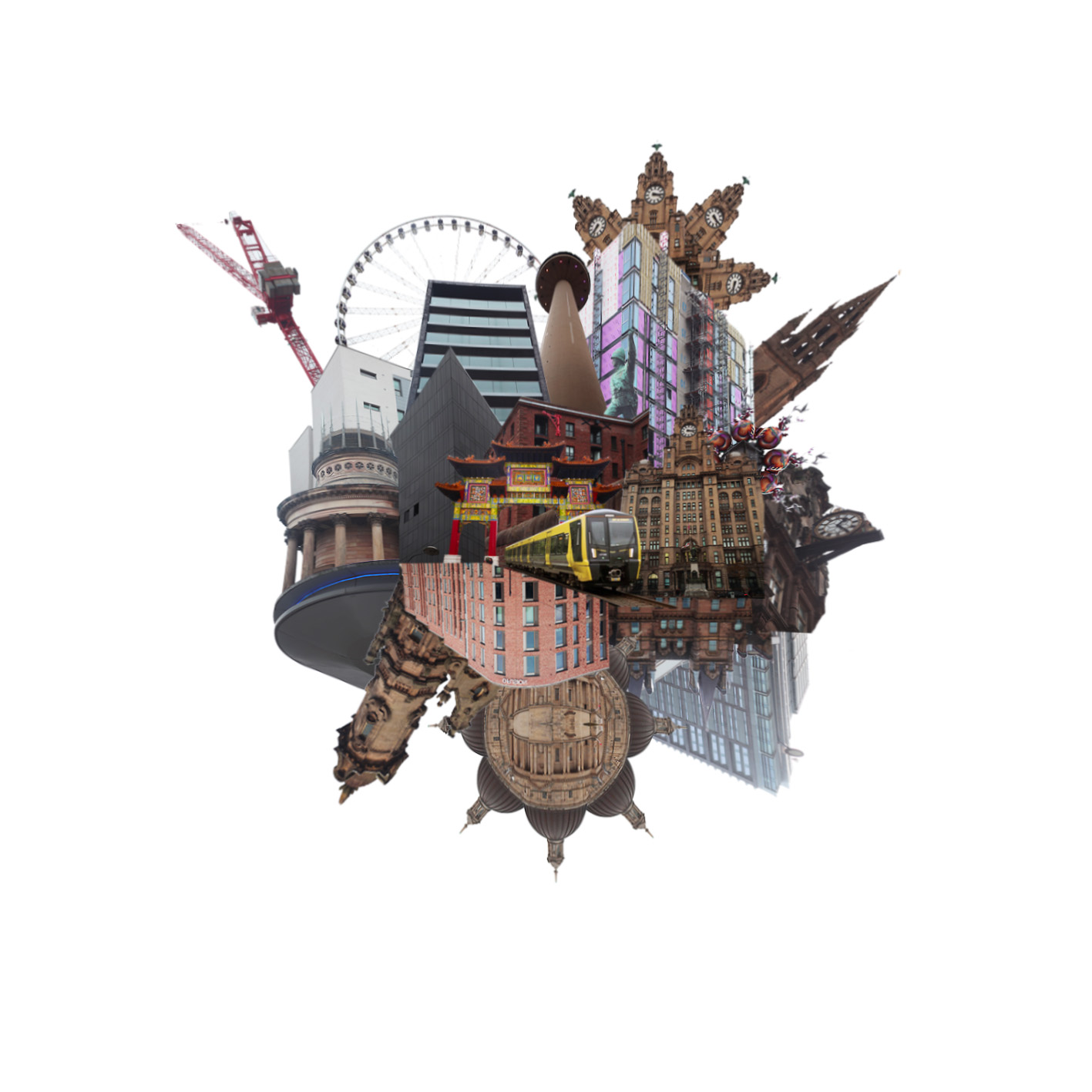
I took ideas from my previous work to my next shoot in Liverpool. Here I used fragements, rotations, crops and mirroring to create a constructed surreal cityscape. The composition combines modern, historical and industrial architecture into layered compositions that feel believable at first, but slowly reveal impossible scale, overlap and spatial distortion.
.jpg)
Impossible cityscapes.
I chose London as the location for my final shoot in the project. I pushed yhe ideas from my Liverpool shoot further to propel the project into its most immersive and surreal stage. The combination of layered skyscrapers, reflective surfaces, fragmented structures and distorted urban geometry transforms London into an impossible environment that feels believable at first glance, but increasingly unnatural the longer it is viewed.
.jpg)
A reconstructed urban environment built from fragments of real London architecture, transformed into a surreal cityscape that exists between reality and abstraction.
Look again.
Across the project, the work becomes less about documenting buildings and more about testing perception. The familiar is not destroyed; it is restructured until recognition becomes uncertain.